Email us: sales@valvesonlycanada.com

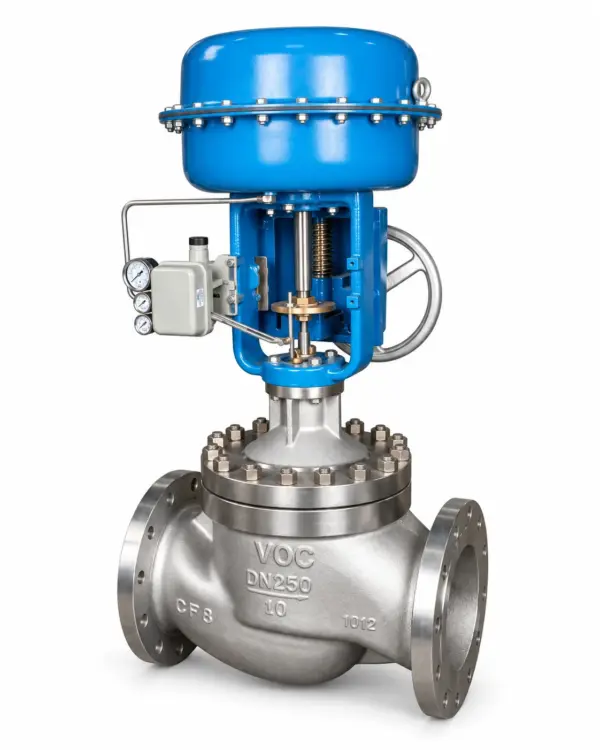
Pneumatic Control Valve
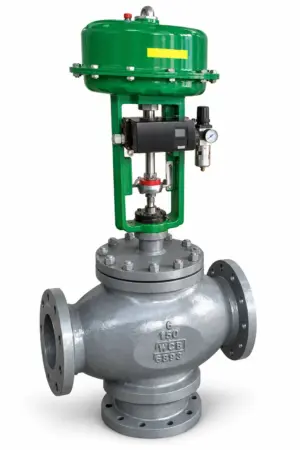
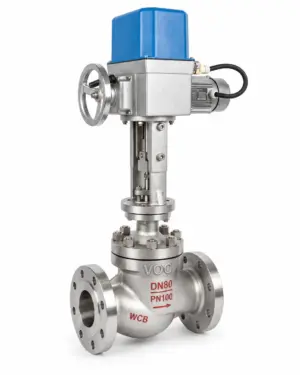
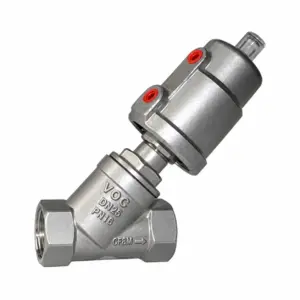
Pneumatic control valves are extensively utilized for precise flow control and process automation. With the aid of a pneumatic actuator, they enable fast action, precise positioning of valves, and efficient operation despite changes in operating conditions. As a top Pneumatic Control Valve Manufacturer in Canada, ValvesOnly Canada offers high-quality pneumatic actuated control valves to industries across Toronto, Calgary, Edmonton, Vancouver and other regions of Canada.
Pneumatic Control Valve Technical Specifications and Operating Parameters:
- Nominal Size: DN15 to DN600
- Pressure Rating: PN10 to PN100 / ANSI Class 150 to Class 600
- Temperature Range: Based on valve material and seat selection
- Actuation Type: Pneumatic Actuator
- Control Type: On/Off Control and Modulating Control
- End Connections: Flanged, Threaded, Butt Weld
- Design Standards: API, ASME, IEC, ISO standards based on valve design
- Inspection and Testing: Hydrostatic Testing, Seat Leakage Testing, Functional Testing
Pneumatic Control Valve Construction and Materials of Construction:
Body and Pressure Retaining Components:
- ASTM A216 WCB
- ASTM A351 CF8
- ASTM A351 CF8M
- ASTM A890 F51
- ASTM A126 Cast Iron
Trim and Internal Components:
- Trim: Stainless Steel / Hardened Stainless Steel
- Stem: Stainless Steel ASTM A182 F316 / F6a
- Seat Ring: Soft Seat / Metal Seat
Pneumatic Actuation and Control Components:
- Actuator: Single Acting or Double Acting Pneumatic Actuator
- Positioner: Pneumatic or Digital Valve Positioner for accurate Valve Positioning
- Control Accessories: Solenoid Valve, Air Filter Regulator, Limit Switch, Position Transmitter
Pneumatic Control Valve Sealing Arrangement
- Seat: PTFE / Metal Seated
- Packing: Graphite / PTFE
- Gasket: Graphite / Spiral Wound
Operating Principle of Pneumatic Control Valve:
Pneumatic Control Valve works on the principle that energy stored in compressed air is converted into mechanical energy using a Pneumatic Actuator. The actuator takes instructions from the Control System or Valve Positioner to control the valve opening.
The controlled movement helps in controlling the flow rate, pressure control, temperature control, and level control in automatic systems. Owing to their quick action and reliability, Pneumatic Actuated Control Valves find wide application wherever there is the need for Process Control and Flow Control.
Pneumatic Control Valve Material Grades and Alloy Options:
Standard Material Options:
| Component | Material | Grade | Typical Application |
| Body | Carbon Steel | ASTM A216 WCB | General industrial service |
| Body | Stainless Steel | ASTM A351 CF8 / CF8M | Corrosive process environments |
| Body | Duplex Stainless Steel | ASTM A890 F51 | Aggressive process media |
| Body | Cast Iron | ASTM A126 | Water and utility applications |
| Trim | Stainless Steel | ASTM A182 F316 | Flow regulation and corrosion resistance |
| Stem | Stainless Steel | ASTM A182 F316 / F6a | Reliable actuator movement |
Extended Materials Available:
- Duplex Stainless Steel (ASTM A890 F51) for chloride-containing and corrosive process fluids
- Monel 400 for seawater, marine, and alkali service applications
- Alloy 20 (ASTM A351 CN7M) for sulfuric acid and acidic process media
- Inconel 625 for high-temperature, high-pressure, and severe service conditions
Pneumatic Control Valve Applications Across Industries:
- Water and Wastewater Treatment: Flow adjustment and distribution networks
- Chemical Processing: Accurate control of process fluids
- Mining and Mineral Processing: Slurry and industrial process regulation
- Oil and Gas Processing: Flow regulation and pressure management systems
- Petrochemical Plants: Automated process control applications
- Power Generation: Steam and utility control systems
Pneumatic Control Valve Design Features and Performance Benefits:
- Pneumatic Actuation for Quick Response
- Precise Flow Control
- Dependable Modulating Control
- Valve Positioning with High Accuracy
- Can Operate Remotely
- Automated Control Systems Compatible
- Enhances Process Efficiency
Pneumatic Control Valve Standards and Quality Testing:
Pneumatic Control Valves are manufactured according to recognized API, ASME, IEC, and ISO standards depending on valve design and operating requirements.
Testing includes:
- Hydrostatic Pressure Testing
- Shell Strength Testing
- Seat Leakage Testing
- Actuator Functional Testing
- Valve Position Verification
- Control Response Testing
Each valve is inspected to ensure reliable sealing, accurate operation, and consistent Process Control performance before delivery.