Email us: sales@valvesonlycanada.com

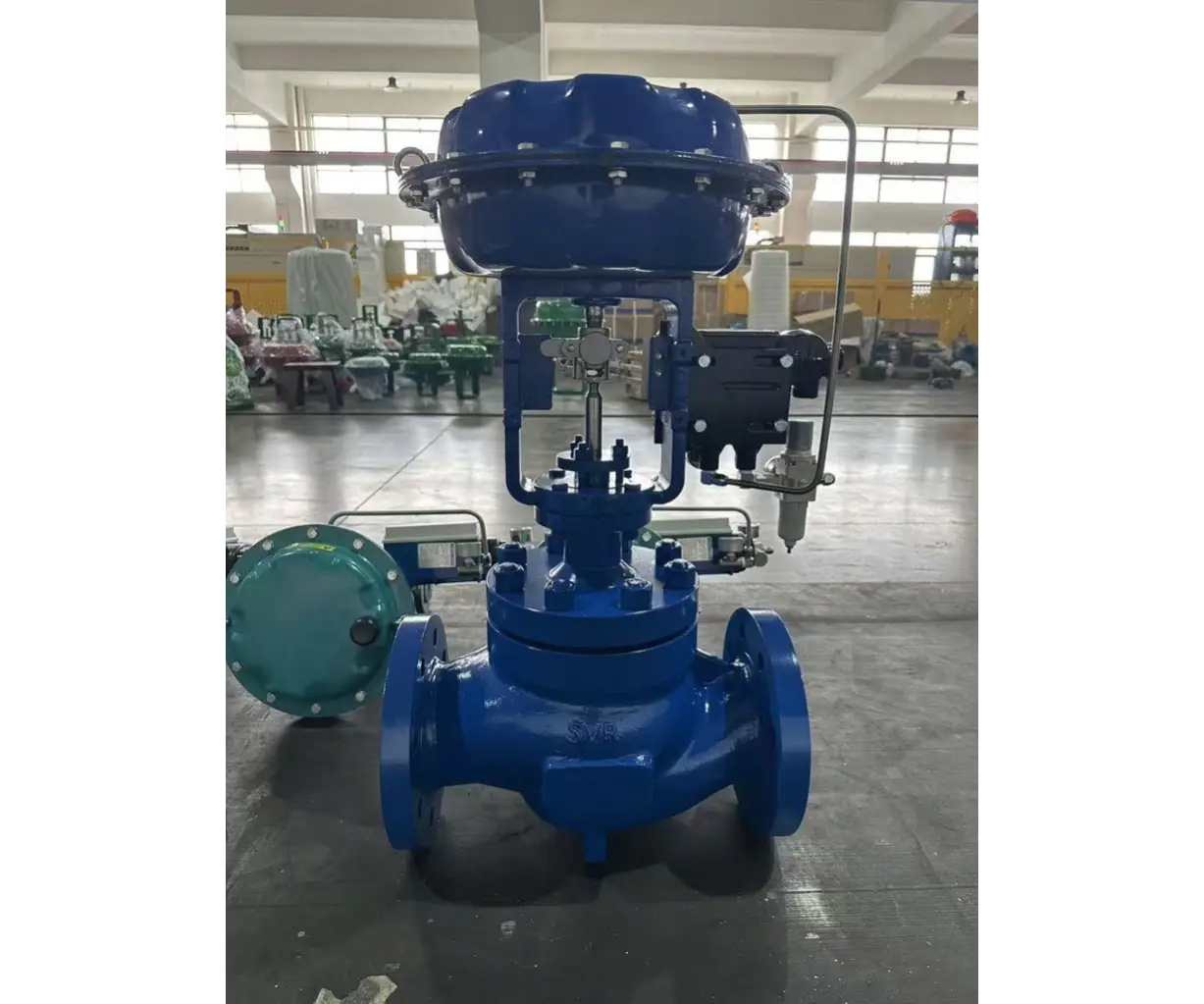
What is a Control Valve and How Does it Work in Industrial Systems?

In a running industrial system, conditions rarely stay constant. Flow demand changes, pressure fluctuates, and temperature shifts as the process moves from one stage to another. If these changes are not controlled in real time, the system begins to lose stability and efficiency.
This is where a control valve becomes important. It continuously adjusts the flow inside the system so that process conditions remain within the required range. Instead of reacting after a problem occurs, it prevents imbalance from building up in the first place.
What is a Control Valve
A control valve is an automated valve that regulates fluid flow based on signals received from a control system. It acts as the final element in a control loop where calculated decisions are converted into physical movement.
Unlike manual valves that stay in a fixed position, a control valve keeps adjusting its opening. This allows it to maintain a specific flow rate, pressure, temperature, or level depending on the process requirement.
In simple terms, it brings consistency to systems that are constantly changing.
How Does a Control Valve Work in Industrial Systems
A control valve operates as part of a continuous feedback loop. The system constantly measures, compares, and adjusts.
Sensors first measure process variables such as flow, pressure, or temperature. These values are sent to a controller, which compares them with the desired setpoint. If there is any deviation, the controller sends a signal to the actuator. The actuator then moves the valve stem, changing the valve opening and adjusting the flow.
This cycle repeats continuously, allowing the system to stay balanced even when operating conditions change.
Types of Control Valves Used in Industrial Applications
Control valves can be understood from two perspectives. One is based on the internal valve design, and the other is based on how the valve is actuated or controlled.
Globe control valves are commonly used when precise throttling is required. They offer stable and accurate control in applications such as steam and process systems.
Ball control valves are selected for their ability to handle high flow rates with quick response. They are often used in pipeline and high pressure applications.
Butterfly control valves are preferred for larger pipelines where space and weight are considerations. They are widely used in water systems and general utilities.
Angle control valves are designed for handling high pressure drop conditions and perform well in demanding flow environments.
Electric, Pneumatic, and Pressure Control Valves Explained
Electric control valves use electric actuators to position the valve. They are suitable for systems that require precise control and integration with automation.
Pneumatic control valves operate using compressed air. They are widely used in industrial environments because of their fast response and reliability.
Pressure control valves are designed to maintain system pressure within a defined range. They help prevent fluctuations that could affect performance or safety.
Why Control Valves Are Important in Industrial Systems
In most industrial processes, even small variations can lead to larger operational issues over time. These may include energy loss, inconsistent output, or unnecessary stress on equipment.
A properly selected control valve helps maintain stable conditions throughout the system. It ensures that flow remains within the required limits and responds instantly to changes in demand.
For example, in a steam system, maintaining the correct flow directly impacts heat transfer efficiency and overall performance.
What Happens Inside a Control Valve
The actual regulation of flow happens inside the valve through components such as the plug and seat. These internal parts determine how the fluid is controlled as the valve opens and closes.
Different flow characteristics are used depending on the application. Some systems require steady and proportional control, while others need finer adjustment across a wider operating range. In certain cases, rapid flow increase is required at the initial stage of opening.
Choosing the right internal configuration plays a major role in achieving stable performance.
Where Are Control Valves Used
Control valves are used in systems where flow needs to be continuously adjusted rather than simply turned on or off.
They are commonly found in oil and gas processing, power generation, water treatment, chemical processing, LNG systems, and mining operations. In all these applications, maintaining consistent process conditions is essential for efficiency and safety.
How to Select the Right Control Valve
Selecting a control valve depends on how well it matches the operating conditions of the system.
Important factors include flow rate, pressure conditions, temperature, and the nature of the fluid. The required level of control accuracy and the type of actuator also play a significant role.
Incorrect selection often leads to unstable performance or reduced valve life, even if the valve itself is properly manufactured.
Control Valve in Industrial Systems Summary
Control valves play a central role in maintaining stability across industrial systems. They adjust continuously, respond to real time changes, and ensure that processes stay within defined limits.
Choosing the right control valve starts with understanding the process conditions. When the valve is properly selected and sized, it improves system performance and reduces operational issues over time.
If you are evaluating options, sharing details such as medium, flow rate, pressure, temperature, and control signal helps ensure a more accurate and reliable selection.