Email us: sales@valvesonlycanada.com

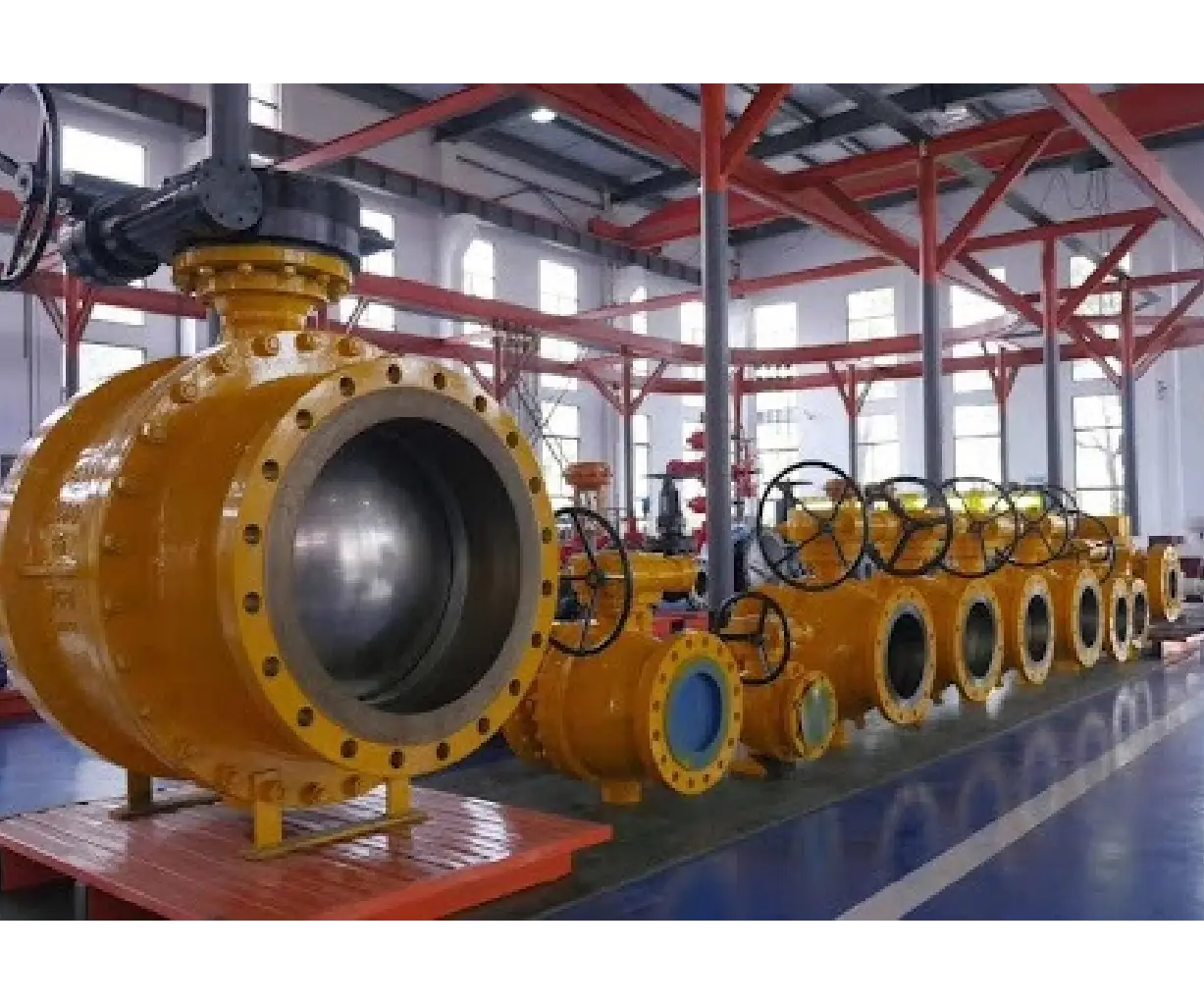
Ball Valve vs Gate Valve: Which One Should You Choose?

When choosing valves for a pipeline you often have to decide between a ball valve and a gate valve. Both types are used to turn flow on or off. You can find them in many sizes and pressure classes. Most valve manufacturers in Canada carry both. They are not the same. Each type works differently. This makes one type better for jobs than the other. If you pick the one you might have problems like wear, leaks or trouble operating the valve. This guide will help you understand the differences between ball valves and gate valves. That way you can choose the one for your needs whether you need a ball valve or a gate valve.
What Is a Ball Valve?
A ball valve uses a drilled ball as its closing element. When you turn the handle. Actuator a quarter turn, which is 90 degrees, the hole through the ball lines up with the pipeline. This allows for flow. It rotates to a right angle to shut off completely. The result is fast and reliable on and off action with a seal.
Ball valves come in types. These include, floating ball valves, trunnion mounted ball valves, steel ball valves, fully welded ball valves, double block and bleed ball valves, jacketed ball valves, and investment casting ball valves.
These come in body configurations. They are 1-piece, 2-piece and 3-piece. Both. Screwed ends are standard. You can also get pneumatic versions. These are for automated operation. In a floating ball valve the ball is held in place by two seats. It floats a bit under line pressure. The ball presses against the seat to seal. This design works well for pipes and moderate pressure.
What Is a Gate Valve?
A gate valve works with a wedge-shaped gate that moves sideways to the flow path. When you turn the handwheel or actuator the gate goes down into the flow stream to close the gate valve. It comes all the way out of the bore to open the gate valve. To open the gate valve all the way you have to turn the stem times, which makes it slower to operate than a ball valve but it also lets the person operating the gate valve stop the stem from leaking when the gate valve is open for a long time. Gate valves are made in types, such as rising stem and non-rising stem and they can be made from different materials like carbon steel, stainless steel, cast iron and ductile iron.
When you use a rising stem gate valve the stem moves up as the gate valve opens, which gives the person operating it a sign of whether the gate valve is open or closed. With a -rising stem gate valve the stem screws into the gate and does not move up and down which makes it smaller and better for places where there is not a lot of room. Pressure seal gate valves are special because they can handle pressures and temperatures like, in power plants where steam is used and they seal themselves using the pressure of the fluid inside not just the bolts that hold them together.
Key Differences: Ball Valve vs Gate Valve
Operating Speed
The ball valve opens and closes with a single 90-degree turn. This makes it ideal for applications that require quick shut-off, including emergency isolation, frequent cycling, and automated on/off control with electric or pneumatic actuators. A gate valve requires multiple full turns of the handwheel to fully open or close. In manual operation, this is slower and more physically demanding, particularly on larger bore valves with high stem friction.
Sealing Performance
A ball valve shuts off tightly. The seats, usually made from PTFE reinforced RPTFE or metal for high-temperature use, push hard against the ball and seal against both gas and liquid at high pressures. This makes ball valves good for gas lines, instrument isolation and jobs where no leakage is allowed across a pressure range. Gate valves give shut-off for most liquid jobs but are not great for gas jobs where tight isolation is needed.
Pressure Drop
Both valve types, when fully open, offer low pressure drop. A full-bore ball valve presents virtually no restriction to flow since the bore through the ball matches the pipe internal diameter. A fully open gate valve also provides near-full bore flow with the gate completely retracted from the flow stream. Neither valve should be used for throttling, as partial opening in either type causes turbulence, noise, and rapid erosion of the closing element.
Size and Installation Footprint
Gate valves are pretty tall because the stem has to move down a long way. This movement is as long as the diameter of the valve. So when you are working with pipes that do not have a lot of space above them or when the valves are put in the ground this can be a problem. Ball valves are shorter when they are installed in a pipe. This is especially true for types of ball valves like the ones that are screwed in or put between two flanges.
Temperature and Pressure Range
Gate valves, those made of forged steel and pressure seal designs, can handle a wider range of temperatures compared to soft-seated ball valves. Pressure seal gate valves are suitable for high-pressure services, rated from Class 600 to Class 2500 and can operate at temperatures above 400 degrees Celsius. This makes them a popular choice for steam systems that require pressure. Seated ball valves have limitations due to the material used for the seat, such as PTFE seats which can only handle temperatures up to, around 200 degrees Celsius.
Maintenance
Ball valve seats are a part of the body. To replace them you. Need a top-entry design or to completely remove the valve from the line. Gate valves with bonnets let you remove the bonnet and replace the gate or seat without taking out the valve body from the pipeline. This is helpful for bore hard-, to-reach installations. Gate valves can leak more at the packing gland. This is because the stem moves more and has a surface area exposed to the fluid.
When to Choose a Ball Valve
Choose a ball valve when the application requires fast quarter-turn operation, frequent cycling, bubble-tight gas or liquid shut-off, compact installation, or automated actuation with electric or pneumatic operators. Ball valves are the correct choice for instrument isolation, sample points, chemical injection lines, compressed air headers, water treatment systems, and any service where rapid and reliable on/off control is needed. Trunnion mounted ball valves are the right selection for large bore and high-pressure pipelines where seat loads must be managed independently of the ball.
When to Choose a Gate Valve
Choose a gate valve when the application involves infrequent operation, large bore pipelines where cost is a driver, high-temperature steam service above the rating of soft elastomer seats, underground or buried service where the valve will remain in a fixed position for long periods, or where multi-turn manual operation by field operators is standard practice. Gate valves are widely used in raw water supply, firewater systems, drainage, and general utility services in industrial plants where fast cycling is not a requirement and the extended stem travel is not a disadvantage.
Quick Comparison Table:
| Parameter | Ball Valve | Gate Valve |
| Operation | Quarter-turn (90°) | Multi-turn |
| Shut-off quality | Bubble-tight | Good for liquid service |
| Opening speed | Fast | Slow |
| High-temp steam service | Metal seat required | Pressure seal design standard |
| Frequency of operation | Frequent cycling | Infrequent operation |
| Automation | Easily actuated | Actuable, larger torque required |
| Stem position indicator | Not visible externally | Rising stem gives visual indication |
| Maintenance | Seat replacement needs valve removal | Bonnet removable in-line |
Ball valves and gate valves have their special jobs in industrial piping systems. Ball valves are great because they work fast, seal well, don’t take up much space and are good for automated systems and gas services. On the other hand gate valves are better for high-temperature situations with pressure seals, are more affordable for big pipes and work well for services that don’t need to be used often.
Knowing the strengths of each valve type helps you choose the one, which means less maintenance and the valves will last longer. You can get both ball valves and gate valves in materials, either manual or automated and in various pressure classes from Class 150, to Class 2500. Whether you are working with a valve manufacturer in Canada or sourcing globally, picking the right type from the start based on how they will be used and what they need to do. Ball valves and gate valves each have their advantages and choosing the right one is key.