Email us: sales@valvesonlycanada.com

Best Valves for Oil and Gas Pipelines in Canada

From the Alberta oil sands to offshore Atlantic wells and high-pressure transmission pipelines that stretch thousands of kilometers across the country. Every one of these pipelines needs valves to control the flow of oil and gas. The valves are used to isolate sections for maintenance, regulate pressure and shut down safely in an emergency. Choosing the valves for oil and gas pipelines in Canada is a big decision. You need to understand the operating conditions, the fluid being handled, the rules and regulations and the long-term cost of owning these valves.
If you are buying valves from a valve manufacturer in Canada or from a supplier from another country this guide will help you. It will tell you what you need to know.
Why Valve Selection is Critical in Canadian Oil and Gas Pipelines
Canadian pipelines carry oil, natural gas and other products across very cold temperatures. In Alberta it can get as cold as minus 50 degrees Celsius in the winter. This affects the materials used to make the valves. How well they work. Some pipelines operate at high pressures above 10,000 kPa. Some pipelines even carry hydrogen sulfide, which’s very bad for the metal in the valves. These valves need to meet standards to prevent damage.
If a valve fails it can cause problems. There can be releases of oil and gas environmental contamination and costly shutdowns. This is why Canadian pipeline valves are made to strict standards. They need to have material traceability, certified testing and compliance with API, ASME and CSA requirements.
Especially in areas like Alberta and Saskatchewan, Canadian oil and gas pipelines frequently run in freezing conditions. Valves have to open and close fluidly under these circumstances free from seal damage or unduly high operating torque. Many people use materials such as ASTM A350 LF2 carbon steel since they remain tough even at freezing temperatures. Seats and seals are also chosen to remain pliable in freezing circumstances. Selecting valves rated for sub-zero operation helps stop leaks, lessens maintenance problems, and ensures consistent operation all winter long.
Pipeline safety depends greatly on Emergency Shut Down (ESD) valves. These valves include electric, hydraulic, or pneumatic actuators that enable them to close automatically in response to pressure decreases, gas leaks, or other unexpected events. Operators rely on actuated valves for remote control and rapid isolation of vital sections in major pipeline networks. By responding instantly when the system has to be shut down, a well-chosen ESD valve helps to guard equipment, lessen the chance of product loss, and increase general safety.
Best Valves for Oil and Gas Pipelines in Canada
1. Ball Valve
The ball valve is the widely used valve in oil and gas pipeline systems. It is used for a reason. The ball valve can be. Closed quickly and reliably. It has a full-bore design, which allows for pigging operations. Pigging operations are essential for cleaning, inspecting and managing the pipeline. Trunnion mounted ball valves are the standard for mainline pipeline service. They support the ball independently of the seats, which keeps the seat loads consistent and the sealing performance reliable at pressures and large bore sizes.
For service ball valves are made to NACE MR0175 specifications. They can resist hydrogen sulfide-induced cracking. Block and bleed ball valves are used at meter stations and manifold assemblies. They provide isolation with a bleed port between two seats during maintenance.
Welded ball valves are preferred for buried pipeline service. They eliminate the flanged body joint, which can leak in environments.
2. Gate Valve
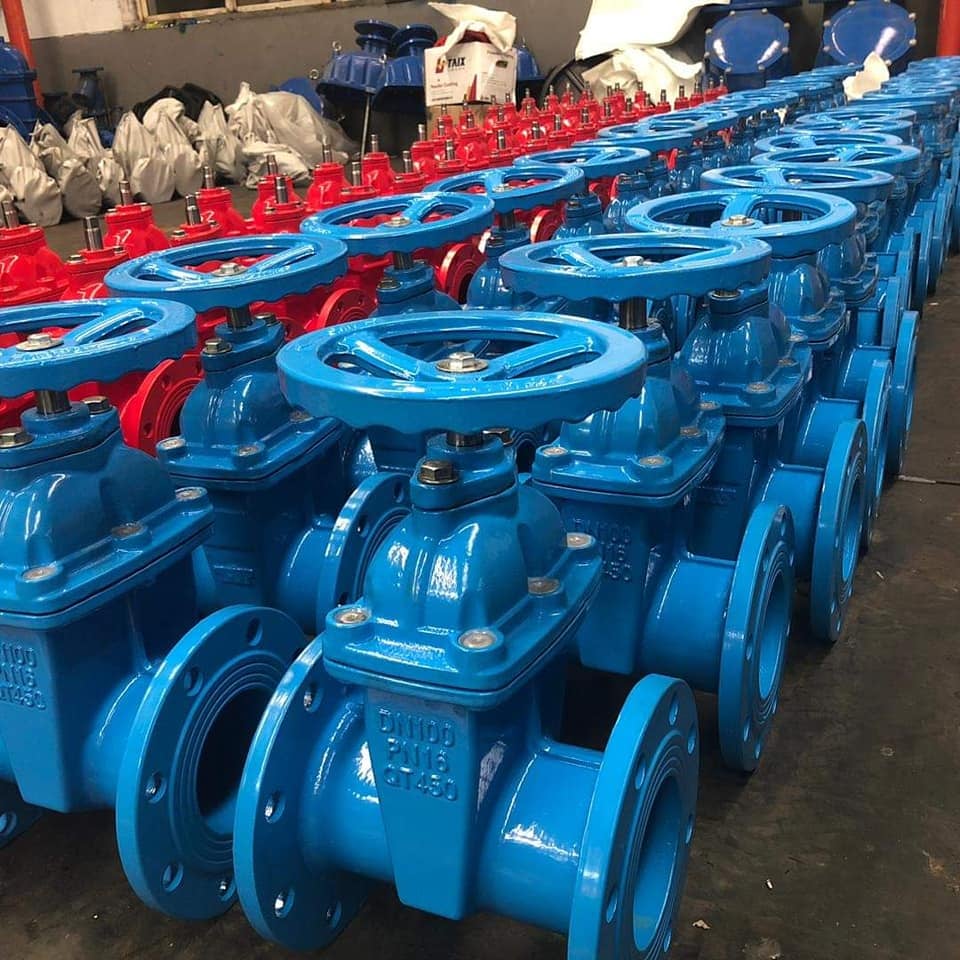
Gate valves have been used in oil and gas pipelines for a time. They are still the isolation valve at certain locations. They are particularly used in infrastructure and in applications where cost is a key consideration at large bore diameters. Rising stem gate valves give field operators a visual indication of valve position. This matters in pipeline locations.
Pressure seal gate valves are used for pressure, high-temperature service. They are used at gas compression stations and processing facilities. Forged steel gate valves handle high-pressure utility lines at compressor stations and gas plants.
For emergency shut-down applications ball valves with actuators are always preferred over multi-turn gate valves.
3. Check Valve
Every oil and gas pipeline system includes check valves. They prevent flow when pumps or compressors trip or when pipeline sections are isolated. Backflow in an oil or gas pipeline can damage equipment and create serious safety hazards.
Swing check valves are used for bore lines. They provide full-bore flow and low pressure drop. Dual plate check valves offer an alternative with spring-assisted closure. They reduce slam on pump shutdown. Tilting disc check valves handle high-velocity gas lines. Lift check valves cover installations handling gas with carryover.
4. Globe Valve
Globe valves are not used for mainline pipeline service. However they are essential at control stations, pressure regulation points and metering skids. They provide throttling that ball and gate valves cannot match.
Pressure seal globe valves are used for high-pressure service. Bellow seal globe valves are used where zero stem leakage is required. This is increasingly relevant given the tightening emission regulations in Canada.
Automated flow and pressure control across oil and gas pipelines rely on control valves. They are used at nodes in the system. At pressure regulating stations pneumatic control valves maintain delivery pressure. At metering facilities control valves manage flow allocation between pipeline receipts and deliveries.
Pneumatic control valves with safe actuator action are the standard for pipeline applications. Closed action is specified where a loss of instrument air or signal should result in a shut pipeline segment for safety. Fail-open action is used where maintaining flow through a valve on loss is the safer outcome.
Materials Matter in Conditions
Canadian pipeline conditions demand careful material selection. Low-temperature carbon steel grades are used for valves in weather service. Stainless steel grades are used in corrosive service streams and sour gas applications. For Atlantic pipelines, duplex and super duplex stainless steels are used. They address the combined challenge of chloride content and elevated pressure.
Seat and seal materials need attention. PTFE is used for clean oil and gas service. High-temperature applications require metal-to-metal seating. Elastomer selection is driven by fluid chemistry.
Standards and Certifications for Pipeline Valves in Canada
Valves used in oil and gas pipelines are governed by a combination of standards. API 6D is the standard for pipeline valves. It covers design verification, pressure testing and marking requirements. API 608 covers metal ball valves for general pipeline service. ASME B16.34 governs pressure-temperature ratings and design requirements. CSA Z245.15 is the standard specifically for valves used in oil and gas pipeline systems.
For service NACE MR0175 / ISO 15156 compliance is mandatory. It requires documented material qualification, hardness limits and heat treatment records for all wetted components. Third-party inspection and witnessed testing are standard practice for critical pipeline valves.
Working with a valve manufacturer in Canada or a certified supplier is important. They need to understand these standards and provide the full documentation package.
How to Choose the Right Valve for High-Pressure Oil and Gas Applications
Choosing the valve for high-pressure oil and gas applications is very important. It depends on four things:
- the operating pressure and temperature
- the type of fluid
- how often the valve will be used
- What happens if it fails
If you get any one of those things wrong you might have problems like premature failure, leaks or a safety incident. For high-pressure mainline service people usually choose trunnion mounted ball valves. They are good for sizes and high pressures because they don’t put too much stress on the seats. For steam and condensate lines at Class 900 and above pressure seal gate valves are usually the choice. When you need to control the flow, not just turn it on or off, a pneumatic control valve with the size does the job.
Trim to the fluid chemistry, pressure class and any sour service requirements before finalising your choice. The valve type and material must be suitable for the fluid, pressure and temperature. You must choose the valve, for oil and gas applications. The right valve can prevent problems. The valve must handle pressure. Trunnion mounted ball valves handle pressure. Pressure seal gate valves are used for steam lines. Pneumatic control valves regulate flow. Material selection is crucial.
The best valves for oil and gas pipelines in Canada are the ones that are correctly specified for their service conditions. They need to be compliant with standards and backed by documented material and testing records. Trunnion ball valves are used for mainline isolation duties. Gate valves cover bore and high-pressure service. Check valves protect equipment from backflow. Globe and control valves handle pressure regulation and flow control. Getting each of these right from specification, through procurement and installation is what keeps pipelines running safely and efficiently.